


The best spiritual and mindfulness apps for meditation, astrology, breathwork and manifestation

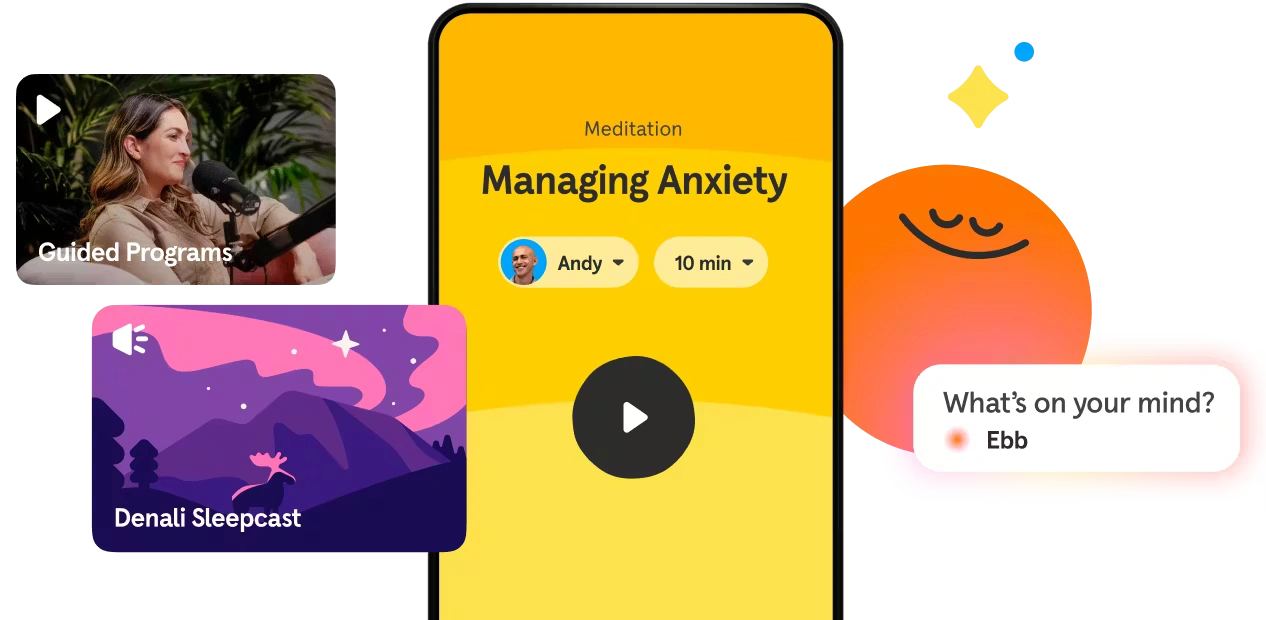 Image credit:
Headspace
We’ve handpicked seven of the best spiritual, mindfulness and psychic apps worth adding to your daily routine in the UK
In this article
Nebula combines astrology, psychic readings, tarot and dream analysis in one place.
Insight Timer is a free mindfulness app with thousands of guided meditations, breathwork sessions and sleep tools.
Headspace is mindfulness for beginners or anyone who wants a structured, guided introduction to meditation.
If breathwork is your focus, Breathwrk (now owned by Peleton) offers sessions by mood and energy level.
Sadhguru is for anyone exploring yoga philosophy alongside meditation and guided practice.
SimpleMind works well for journalling, intention-mapping and visual self-reflection.
Law of Attraction Toolbox is best for manifestation-focused routines and intention-setting.
Wellness apps have been around long enough now that most of us will have downloaded at least one before likely having forgotten about them.
In our experience, the ones that actually stick tend to do something specific really well, whether that’s guided breathwork to take the edge off a stressful day, a daily astrology reading that gives you something to think about, or a meditation practice that’s short enough to fit into your morning.
This guide covers seven of the best spiritual, mindfulness and psychic apps available in the UK right now.
We’ve looked at everything from free meditation tools to paid platforms offering live psychic readings, so there’s something here regardless of where you’re starting from or what you’re looking for.
We’ve also addressed the questions that come up most often – whether these apps are worth paying for, how accurate psychic apps really are, and which ones are worth trying if you’ve never used anything like this before.
Best spiritual apps at a glance
Not sure where to start? Here’s a quick summary of what each app does best:
- Best spiritual app: Nebula
- Best mindfulness app: Insight Timer
- Best meditation app for beginners: Headspace
- Best breathwork app: Breathwrk
- Best for yogic spirituality: Sadhguru
- Best for spiritual journalling: SimpleMind
- Best manifestation app: Law of Attraction Toolbox
Comparing mindfulness and spiritual apps
In this article
Here’s a quick comparison of all seven apps across the most important factors:
| App | Best for | Free version | iPhone | Android |
|---|---|---|---|---|
| Nebula | Astrology and psychic guidance | Partial | ✓ | ✓ |
| Insight Timer | Meditation and mindfulness | ✓ | ✓ | ✓ |
| Headspace | Beginners | Partial | ✓ | ✓ |
| Breathwrk | Breathwork | Partial | ✓ | ✓ |
| Sadhguru | Yoga and spirituality | ✓ | ✓ | ✓ |
| SimpleMind | Journalling and intention-mapping | ✓ | ✓ | ✓ |
| Law of Attraction Toolbox | Manifestation | Partial | ✓ | ✓ |
Nebula – Best for astrology, psychic readings and spiritual guidance
 Image credit: Nebula
- Who it’s best for: Anyone curious about astrology, birth charts, tarot or psychic guidance who wants access to a range of vetted advisors in one place.
- Pricing: Free to download; live readings charged per minute (rates vary by advisor). Introductory offers available for new users.
- What we like: The breadth of content, the advisor rating system, and the self-discovery tools that are genuinely useful without booking a reading. It works well as an online wellness platform beyond just the psychic element.
- What could be better: The per-minute pricing model means you just need to be mindful (excuse the pun) of costs.
- Platforms: iOS, Android, web
Nebula is a spiritual guidance platform that brings together astrology, tarot, psychic readings and dream analysis in one app. If you’ve ever found yourself reading your horoscope in one tab, looking up tarot card meanings in another and Googling what a dream about your ex actually means, Nebula is essentially designed to stop that tab spiral.
The platform connects you with individual advisors who have their own profiles, ratings, specialties and reviews. You can filter by topic – love, career, family, life path – and choose someone whose approach resonates with you, whether that’s astrology-based readings, tarot, or more intuition-led psychic guidance. There are also self-discovery tools built in, including birth chart generators, rising sign calculators and compatibility tools, which are useful even if you never book a paid reading.
The app itself is free to download, and there’s enough free content – daily horoscopes, educational articles, self-discovery tools – to get a feel for whether it’s the kind of thing you’d use regularly.You can also, optionally, pay for live readings and Nebula uses a per-minute model with the prices per advisor shown up front. There are introductory offers for new users, which makes it a reasonable way to test the platform without a significant upfront commitment.
The advisor vetting process is more transparent than many competitors, and the range of specialties means you’re not limited to one type of reading. If you’re curious about what a psychic reading app actually involves, or you want a single place for all things astrology, Nebula is worth a look – just keep an eye on your session time.
Insight Timer – Best free mindfulness and meditation app
 Image credit: Insight Timer
- Who it’s best for: Anyone who wants a free, broad and flexible mindfulness app without being pushed towards a specific practice or tradition.
- What we like: The depth of the free library, the lack of pressure to subscribe, and the variety of content styles.
- What could be better: The sheer amount of content can feel overwhelming at first. It’s worth using the search filters rather than scrolling through everything.
- Pricing: Free with optional paid subscription for offline access and premium courses.
- Platforms: iOS, Android
Insight Timer has one of the largest free meditation libraries of any app currently available, which immediately puts it ahead of most of the competition. The free tier isn’t a teaser – it gives you access to thousands of guided meditations, breathwork sessions, yoga nidra recordings, sleep music, talks and short courses. You’d need to use it for a very long time before running out of content without spending anything.
The app spans a wide range of traditions and teaching styles, so it doesn’t push a particular approach. You can find everything from body scan meditations and Vipassana-style techniques to sound baths, Reiki sessions and sleep stories. There’s a timer function if you prefer unguided practice – you can set bells at intervals, choose ambient sounds, and track your sitting time over weeks and months.
For those who want more structure, there are teacher-led courses and live events available, though some of these sit behind a paid subscription. The paid tier (Insight Timer Plus) also unlocks offline listening and deeper course content. That said, the free version is substantial enough that plenty of people never feel the need to upgrade.
Mood tracking and journalling options are also built in, which helps if you’re trying to build consistency and want to notice patterns in how you’re feeling over time. It’s particularly good if you’re new to meditation and not sure what style suits you – the sheer range of content means you can explore without committing to one teacher or method. It’s also a solid pairing for anyone already using simple self-care rituals who wants to add something more intentional to their day.
3. Sadhguru – Best for yogic spirituality and philosophy
 Image credit: Sadhguru App
- Who it’s best for: Anyone drawn to yogic philosophy, Isha teachings, or wanting to combine breathwork and meditation with a more structured spiritual framework.
- What we like: The depth of content, the genuinely free access to most of it, and the breadth of formats from short daily content to longer talks.
- What could be better: It’s very specific to the Sadhguru and Isha tradition. If you’re not interested in that lineage, other apps will serve you better.
- Pricing: Free
- Platforms: iOS, Android
The Sadhguru app is built around the teachings and practices of Sadhguru, an Indian yogi and founder of Isha Foundation. It’s not a general meditation app – it’s specifically rooted in yogic philosophy and Isha Yoga practices, so it’s best suited to people who are interested in that tradition rather than looking for something more eclectic.
Content includes daily quotes, short wisdom videos, audio talks, podcasts, longer-form articles and guided practices. The Sounds of Isha section covers chants and music from the Isha community, which some people find useful as background for practice or simply for winding down. The app also makes it easy to find and register for Isha Yoga programmes if you want to take things further in person.
Practices are organised around specific goals – health, balance, focus and inner growth – which makes it easier to know what to start with depending on what you’re looking to work on. Content is available in multiple languages, which is a practical consideration if English isn’t your first language or if you’re sharing the app with family members.
It’s free to download and most content is available without a subscription, which is a meaningful difference from many wellness apps that put the most useful material behind a paywall. If you’ve been curious about yoga as a spiritual practice rather than just a fitness class, this is a good place to start exploring without any financial commitment.
Breathwrk – Best breathwork app for stress and energy
 Image credit: Breathwrk
- Who it’s best for: Anyone who wants a focused, structured breathwork practice rather than a general meditation or wellness app.
- What we like: The goal-based session structure, offline functionality, and the fact that it makes breathwork genuinely easy to follow.
- What could be better: It’s narrowly focused, so it’s not the right choice if you’re looking for meditation or journalling tools alongside breathwork.
- Pricing: Free with optional premium subscription.
- Platforms: iOS, Android
Breathwrk does one thing and does it well: it guides you through breathing exercises. That might sound simple, but the app is more useful than trying to follow breathing patterns from a YouTube video or a text description because the visual guides actually pace you through the inhale, hold, and exhale phases in real time.
Sessions are organised by what you’re trying to achieve – calming down, boosting energy, improving sleep, sharpening focus, or recovering after exercise. That makes it practical in a way that some wellness apps aren’t. You’re not scrolling through a library trying to find something appropriate; you just tell the app what you need and it gives you a relevant session. This makes it a useful tool alongside an evening routine or as a stress management tool during the day.
There are habit-tracking features and streaks to help with consistency, as well as live classes with professional coaches for those who want more accountability. The app works offline, which matters if you want to use it during travel, on a flight, or in situations where you don’t have a reliable connection.
Some of the more advanced sessions and features sit behind a paid subscription, but there’s enough in the free tier to get a genuine sense of whether the approach works for you before committing. Breathwork has good evidence behind it for stress reduction and sleep, so if that’s your primary concern, this is worth trying before defaulting to a broader meditation app.
Headspace – Best mindfulness app for beginners
 Image credit: Headspace
- Who it’s best for: Beginners who want a structured, well-designed introduction to mindfulness and meditation.
- What we like: The beginner-friendly progression, the strong sleep content, and the overall quality of the guided sessions.
- What could be better: The subscription price is higher than some alternatives, and the free tier is fairly limited.
- Pricing: Subscription-based (free trial available).
- Platforms: iOS, Android
Headspace is one of the most recognisable names in mindfulness apps, and it’s still one of the better starting points for anyone who’s never tried a structured meditation practice before. The sessions are short – most of the beginner content runs between five and fifteen minutes – and they build progressively so you’re not thrown into something that assumes prior experience.
The app covers stress management, sleep, focus, movement, and general mindfulness, with different programmes for different goals. The sleep content is particularly strong – there are sleep podcasts, wind-down exercises and audio-based bedtime stories designed to help you switch off rather than lie there replaying your day. The interface is well-designed and the guided sessions feel calm rather than overly enthusiastic, which makes a difference when you’re actually trying to relax.
Headspace operates on a subscription model, which is the main drawback. The free content is limited compared to what Insight Timer offers for free, so if cost is a factor, Insight Timer is worth considering first. That said, Headspace’s structure and design are noticeably more polished, and for some people that makes them more likely to actually use it consistently. It’s NHS-recommended too.
If you’ve tried meditation before and found it difficult to know where to start, or if you’ve downloaded an app and not used it past the first week, Headspace’s guided progression is specifically designed to address that. The daily suggestions and short resets make it easier to maintain a habit even on days when you don’t have much time or motivation. It pairs well with other self-care rituals that support your mental wellbeing.
Law of Attraction Toolbox – Best for manifestation and intention-setting
 Image credit: The Law of Attraction Toolbox
- Who it’s best for: Anyone interested in manifestation, intention-setting or building a more structured daily gratitude and mindset practice.
- What we like: The practical tools that translate vague goals into daily habits, and the journalling features that encourage consistency.
- What could be better: If you’re deeply sceptical of the manifestation framework, there are more neutral mindfulness apps that cover similar habits without the Law of Attraction branding.
- Pricing: Free with in-app purchases.
- Platforms: iOS, Android
Manifestation as a concept has attracted a fair amount of eye-rolling over the years but the Law of Attraction Toolbox is less about magical thinking and more about building structured habits around intention-setting, gratitude and mindset – which are grounded enough to be useful even if you’re not fully bought into the philosophy.
The app provides practical tools rather than just content to consume. There’s a focus wheel designed to redirect your thinking towards a desired outcome, scripting exercises where you write out your goals as if they’ve already happened, future pacing tools, a gratitude journal and visualisation timers. The idea is that you pick an intention and engage with it actively through daily practice rather than just thinking about it vaguely.
Whether you believe in the law of attraction or not, the underlying behaviours the app encourages – journalling, daily gratitude, visualisation, consistent reflection – are associated with improved wellbeing. It’s a structured way of building those habits if you struggle to maintain them through sheer willpower. The app works best when used regularly and with a specific intention rather than browsing between features without focus.
SimpleMind – Best for journalling and intention-mapping
 Image credit: SimpleMind
- Who it’s best for: Visual thinkers who want a flexible tool for self-reflection, goal-mapping, ritual planning or working through recurring thoughts and patterns.
- What we like: The flexibility, the visual format, and the fact that it genuinely works for people who find traditional journalling difficult.
- What could be better: It requires some setup time to get the most out of it, and it doesn’t offer any guided content or prompts if you’re not sure what to map.
- Pricing: Free with optional premium version.
- Platforms: iOS, Android, web
SimpleMind is a mind-mapping app, not a spiritual app in the traditional sense. But for anyone who finds linear journalling frustrating or who thinks better in visual structures, it’s one of the more useful tools for self-reflection, intention-mapping and organising your thoughts around spiritual practice or personal growth.
The app lets you create free-form mind maps where you can connect ideas, track recurring thoughts, plan rituals, map out goals, or work through values and decisions visually. It’s particularly useful for people who feel stuck when faced with a blank page – the branching structure makes it easier to start somewhere without committing to a linear narrative. Dream notes, manifestation plans and spiritual routines all work well in this format.
There are auto-layout options for those who want a cleaner visual structure, an autofocus mode that reduces clutter, and export options so you can save or share your maps. You can add notes, images, icons and colour coding to make maps more personal and easier to navigate over time.
It’s one of the more overlooked tools in this space, partly because it doesn’t market itself as a wellness app. But for visual thinkers who want something more structured than a notebook and less prescriptive than a guided journalling app, it fills a gap that most dedicated spiritual apps don’t address.
Are spiritual and mindfulness apps worth it?
The short answer is that it depends on what you do with them.
If you’re someone who benefits from structure, accountability, or simply having good content readily available when you need it, the right app can make a difference to how you manage stress, sleep and general wellbeing.
The research on mindfulness and breathwork is reasonably solid – there’s good evidence that regular practice reduces perceived stress and improves sleep quality over time. Whether you need an app for that or not is personal. Some people find the structure helpful; others do better with books, classes or just sitting quietly for ten minutes without prompts.
For psychic and astrology apps, while there’s no empirical science they can offer a structured framework for reflection, a way to think about current situations from a different angle, and – for some people – a degree of comfort or clarity they find useful.
If cost is a concern, there are enough good free options here – Insight Timer and Sadhguru in particular – that you don’t need to spend anything to find out whether this kind of tool works for you but like with most things, to get the biggest benefits you often have to pay.
Spiritual and mindfulness apps: FAQs
 Image credit: iStock
What are spiritual apps?
Spiritual apps are mobile platforms designed to support practices like meditation, astrology, tarot, breathwork, journalling, manifestation and psychic guidance. They vary widely in focus – some are purely meditation tools, others connect you with live advisors for readings, and some are self-reflection tools that don’t fit neatly into any one category. The term covers a broad range of approaches, so the best one for you depends on what you’re actually looking for.
What is the best spiritual app in the UK?
Nebula is the most comprehensive option if you want astrology, psychic readings and spiritual guidance in one place. For meditation and mindfulness, Insight Timer is the strongest free option and Headspace is the best choice for beginners who want a structured programme. The best mindfulness app depends on what you’re looking for.
Are there free spiritual apps?
Yes. Insight Timer and Sadhguru are both free with substantial content available without a subscription. Headspace, Breathwrk and Nebula all offer partial free access with some content or features gated behind a paid tier. If you want to try before spending money, Insight Timer is the most generous starting point.
Which app is best for meditation?
Insight Timer has the largest free meditation library of any app currently available. Headspace is better if you want a more guided, structured approach – it builds progressively and is particularly helpful if you’re new to meditation and not sure how to begin. For meditation rooted in yoga philosophy, Sadhguru is worth considering.
Which mindfulness app is best for beginners?
Headspace is designed specifically with beginners in mind. It starts simple, builds progressively, and the sessions are short enough to fit into a day without feeling like a significant commitment. It’s also NHS-recommended, which matters if you’re using it for stress or anxiety management. Insight Timer is a close second if cost is a factor, since the free tier gives you access to beginner-friendly content without any subscription.
Are mindfulness apps worth paying for?
It depends on whether you’ll actually use them consistently. If you’re the kind of person who benefits from structure and finds free apps less motivating, a paid subscription might be worth it for accountability alone. If you’re not sure, start with a free option like Insight Timer and see whether you use it regularly before spending money. Most paid apps also offer free trials, so there’s no need to commit without testing first.
Are psychic apps real?
The advisors on psychic apps are real people with genuine experience in whatever they offer – whether that’s astrology, tarot, numerology, or intuitive readings. Whether psychic ability itself is real is a much bigger question and we’re not here to judge anyone’s beliefs. What psychic apps can offer is a structured conversation with someone who takes these traditions seriously, a framework for thinking about your situation, and sometimes a useful outside perspective. Whether that has value to you is personal.
Are psychic apps legitimate?
The better-known platforms like Nebula do vet their advisors and have review systems in place, which provides more accountability than a random search result. Look for platforms that show advisor ratings and reviews, and be cautious of anyone who makes very specific predictions or asks for additional payments mid-session.
How accurate are psychic apps?
There’s no scientific standard by which psychic accuracy can be measured, so this is difficult to answer. What most people find useful about psychic readings – whether in person or via an app – is less about specific predictions and more about the reflective process of talking through a situation with someone who approaches it differently.
How we chose the best spiritual apps
There’s no shortage of wellness apps to choose from, which makes picking the right one harder, not easier. These are the criteria we used to narrow things down:
- Features: Does the app actually do what it claims? We looked at the quality and variety of content, not just the number of options.
- Cost and value: Whether free or paid, does the price feel proportionate to what you’re getting? Are there meaningful free options or is everything gated behind a subscription?
- Free content: Apps with a reasonable free tier are easier to commit to because you can test them properly before spending money.
- User ratings: We looked at real-world ratings across the App Store and Google Play, not just brand claims.
- Ease of use: Apps that are fiddly or confusing tend to get abandoned quickly. Good design matters.
- Privacy and security: For apps that involve personal or sensitive content – particularly psychic and astrology platforms – we considered what data is collected and how.
- Expert-led content: Where relevant, we looked at whether content was created or led by people with genuine experience or credentials in their field.
♥ Don’t miss out! Sign up for the mamabella newsletter today ♥
MORE LIKE THIS
- Online health apps and platforms to help you manage stress and wellbeing
- Simple self-care rituals for calm
- How to set an evening routine to help you get better sleep
- Mental health and beauty: what brands are actually doing
- What stress does to your skin and hair – and what helps
- Women and mental health: what you need to know
- Can stress really cause grey hair?
“`
Latest Articles


